 Back
Klara and the Sun review – Taika Waititi’s manic pixie dream robot sci‑fi is a sentimental mess
Taika Waititi’s adaptation of Kazuo Ishiguro’s novel turns a post‑WWIII world of “artificial friend” robots into a twee, over‑quirky film that critics say lacks humor, depth and meaningful commentary on AI, love or grief.
The Guardian
Original reporting
The Guardian’s film review by Peter Bradshaw, published on 15 October 2026, evaluates Taika Waititi’s latest feature, Klara and the Sun, an adaptation of Kazuo Ishiguro’s novel about artificial intelligence. The reviewer characterises the film as a “twee, tiresome tale of love and grief” that relies heavily on post‑modern quirkiness and ironic dorkiness. According to the review, the movie presents a soft‑centred, sci‑fi‑lite vision of a future where families can purchase “artificial friend” (AF) robots for children. The narrative is set after a recent third world war that, as an AF salesperson (played by Natasha Lyonne) notes, has wiped out the internet, though the world otherwise appears relatively intact.
Bradshaw argues that the film fails to deliver substantive or meaningful insight into its central themes—artificial intelligence, love, and grief—and that its humor is largely unfunny. He compares the tone to Waititi’s earlier works, noting that while films such as Hunt for the Wilderpeople and Thor: Ragnarok demonstrated his comedic skill, Klara and the Sun feels closer to the director’s more controversial Jojo Rabbit, describing it as “misjudged and self‑admiring.” The review also highlights a specific world‑building detail: the AF humanoids possess purple blood called PEC‑9, which a character mentions is highly flammable, suggesting a design flaw within the film’s speculative technology.
Overall, the critic concludes that the movie demands viewers both laugh at its forced humor and shed tears at its “pass‑agg poignancy,” but ultimately delivers an “unbearably mannered, unspeakably acted” experience that says little of lasting significance. The review’s tone remains critical, emphasizing the film’s sentimental whimsy and lack of satire, and suggesting that the adaptation does not succeed in translating Ishiguro’s nuanced fable into a compelling cinematic work.
The article is categorized under Entertainment and includes a canonical URL linking to the full review on The Guardian’s website.
- Source
- The Guardian
- Published
- 10/15/2026
- Views
- 3
- Reading time
- 2 min read
Related Stories
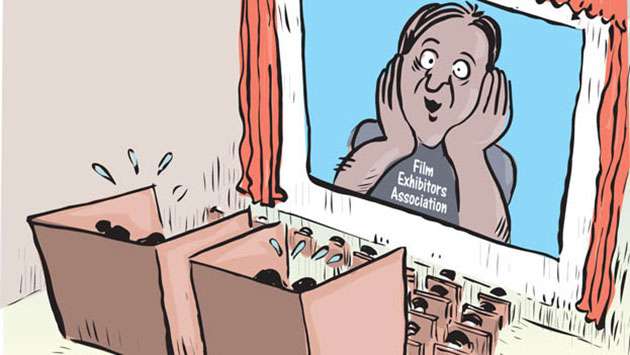
The Film Exhibitors Association warns that the rise of private “movie rooms” in cities threatens legitimate cinema halls and raises regulatory and public morality concerns.

Sylvester Stallone, once mocked for his speech and looks and so cash‑strapped he sold his dog, wrote and starred in Rocky, turning an underdog tale into a lasting cultural icon.

AI-assisted micro-drama edits old Neighbours episodes to spotlight Margot Robbie's character, prompting worries from actors and crew.